Removing an old mobile home in California takes careful planning. Most owners want to know the total price before they start. In California, mobile home demolition usually costs between $3,000 and $9,500. However, larger projects or sites with extra waste can cost up to $18,500.
What is The Average Mobile Home Demolition Cost ?
| Mobile Home Type | Average Square Footage | Estimated Cost Range |
| Single-Wide | 500 to 1,000 sq ft | $3,000 – $5,500 |
| Double-Wide | 1,000 to 2,000 sq ft | $5,500 – $9,500 |
| Triple-Wide | 2,000+ sq ft | $9,000 – $15,000+ |
| Concrete Slab Removal | Per job | $1,500 – $3,500 extra |
California Mobile Home Demolition Cost Breakdown (By Size & Type)
The total size of your mobile home is the biggest price factor. Larger homes take more time, heavy machines, and dump trucks to clear away.
Single-Wide Mobile Home Demolition ($3,000 – $5,500)
A single-wide mobile home is usually 10 to 18 feet wide and 50 to 80 feet long. This means it covers about 500 to 1,000 square feet.
Demolition crews can usually tear down a single-wide home in one day. The price includes labor, an excavator, and two or three large dumpsters for trash removal.
Double-Wide Mobile Home Demolition ($5,500 – $9,500)
Double-wide mobile homes are built in two separate pieces. They are joined together at the site and cover 1,000 to 2,000 square feet.
Because these homes are twice as large, they produce much more debris. Contractors must separate the two sections before tearing them down. This work takes more time and requires four or five large dumpsters, which increases the price.
Triple-Wide & Custom Manufactured Homes ($9,000 – $15,000+)
Triple-wide mobile homes have three sections and cover more than 2,000 square feet. They often feature heavy roof trusses and extra wood framing.
Because of their size, crews need extra heavy machinery to smash and haul away the materials. This extra work drives the total cost up to $15,000 or more.
Cost Per Square Foot Benchmark ($4.00 – $11.00 per sq ft)
In California, contractors charge between $4.00 and $11.00 per square foot for mobile home demolition. This rate is higher than the national average. The main reasons for higher California prices are state dump fees, special permits, and strict worker safety laws.
Line-Item Cost Factors: Where Your Money Actually Goes
When you receive a quote from a demolition contractor, your money is split among several steps. Here is a clear look at how a typical budget breaks down:
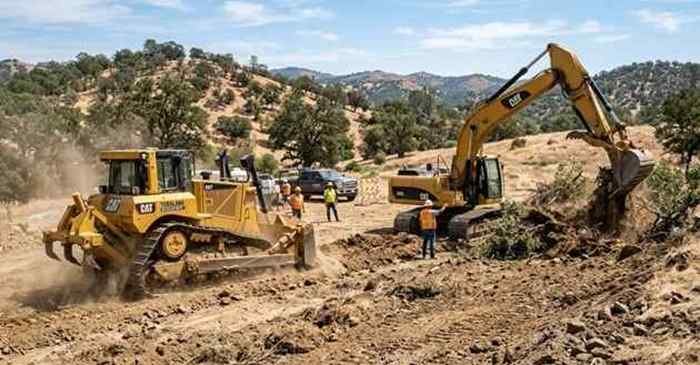
- Tearing Down the Structure (40% of budget): Pays for the excavator operator and manual labor workers.
- Hauling and Dump Fees (25% of budget): Pays for fuel, trucks, and landfill tipping fees.
- Concrete Pad and Decking Removal (15% of budget): Pays to break up and remove concrete slabs or wooden porches.
- Permits and Government Inspections (10% of budget): Pays local city and county permit fees.
- Utility Line Disconnects (10% of budget): Pays plumbers and electricians to safely cap water, gas, and power lines.
Landfill Tipping Fees Across California Regions
Every county in California charges a fee to dump construction waste. Landfills charge these fees by the ton.
For example, landfill fees in the San Francisco Bay Area run from $100 to $160 per ton. In Southern California cities like Los Angeles, dump fees range from $75 to $120 per ton. In the Central Valley, landfill fees are lower, running between $50 and $80 per ton. Because a typical double-wide home weighs around 15 tons, dump fees alone can add $1,500 to $2,400 to your bill.
Concrete Slab, Decking, and Foundation Teardown
Many mobile homes sit on a concrete slab or have attached metal carports and wooden porches.
Removing an unreinforced concrete pad costs about $1.50 to $3.50 per square foot. If your pad is 1,000 square feet, removing it will add $1,500 to $3,500 to your total bill. Also, taking down extra sheds, metal awnings, or wooden decks will add $500 to $1,800 to your overall cost.
California Legal Requirements: Permits, HCD Clearance & AQMD Rules
California has strict rules for tearing down manufactured homes. You must complete key paperwork before any machinery touches the site. If you skip these legal steps, state inspectors can issue stop-work orders and fine you up to $25,000 per day.
[!IMPORTANT] California Compliance Warning: You cannot tear down a mobile home in California until you pay all back property taxes and receive a Tax Clearance Certificate from your county.
County Tax Clearance Certificate (TCC) & HCD Title Cancellation
Mobile homes in California are registered with the Department of Housing and Community Development, also known as HCD.
Before you demolish the home, you must cancel its title with HCD. To do this, you first need a Tax Clearance Certificate from your County Treasurer and Tax Collector. This certificate proves that all property taxes are paid in full. The certificate fee costs between $100 and $300. After you receive it, you can mail your title paperwork to HCD so they can remove the home from official tax records.
AQMD Asbestos Rule 1403 Compliance (Mandatory 10-Day Notice)
Older mobile homes built before 1980 often contain asbestos. Asbestos was used in floor tiles, roof patching, ceiling textures, and wall insulation.
California law requires you to hire a Certified Asbestos Consultant to test the home before demolition starts. An asbestos survey costs between $400 and $800.
Next, you or your contractor must file a written notice with your regional Air Quality Management District, such as South Coast AQMD or Bay Area AQMD. You must submit this notice at least 10 business days before starting any demolition work. Filing fees cost between $100 and $400. If the consultant finds asbestos, a certified removal team must safely take out the material first. Asbestos removal adds $1,500 to $5,000 to your total job cost.
Local City and County Demolition Permits
In addition to state rules, you need a local demolition permit from your city or county building department. Permit fees range from $150 to $500.
Before the city issues your permit, utility companies must turn off and seal all connections. This means gas, electric, water, and sewer lines must be safely shut off at the street main. Electric companies like PG&E, Southern California Edison, or SDG&E must sign off on the work before heavy equipment can enter the property.
Summary Checklist for Property Owners
To make your project run smoothly, follow these four simple steps:
- Get a Tax Clearance Certificate: Visit your County Tax Collector to confirm all taxes are paid.
- Order an Asbestos Survey: Hire a certified inspector to test the home for hazardous materials.
- File Air Quality & City Permits: Submit your 10-day notice to your regional AQMD and apply for a local building permit.
- Hire a Licensed C-47 or C-21 Contractor: Choose a licensed demolition company to safely cap utilities and haul away all debris.
Frequently Asked Questions
No. Open burning of building waste is illegal under California Air Resources Board rules. Also, tearing down a home yourself without permits violates local safety codes. If you attempt DIY demolition without a license, you can face severe fines and legal action.
Removing a standard concrete pad costs between $1,500 and $3,500. The exact price depends on how thick the concrete is and whether it contains steel rebar.
The physical teardown takes only one to three days. However, getting your tax clearance, asbestos inspection, city permits, and 10-day air quality notice takes three to four weeks total.
Demolition contractors in California must hold an active license from the Contractors State License Board. They should hold a C-47 Manufactured Housing license, a C-21 Building Moving and Demolition license, or a General Engineering license.